

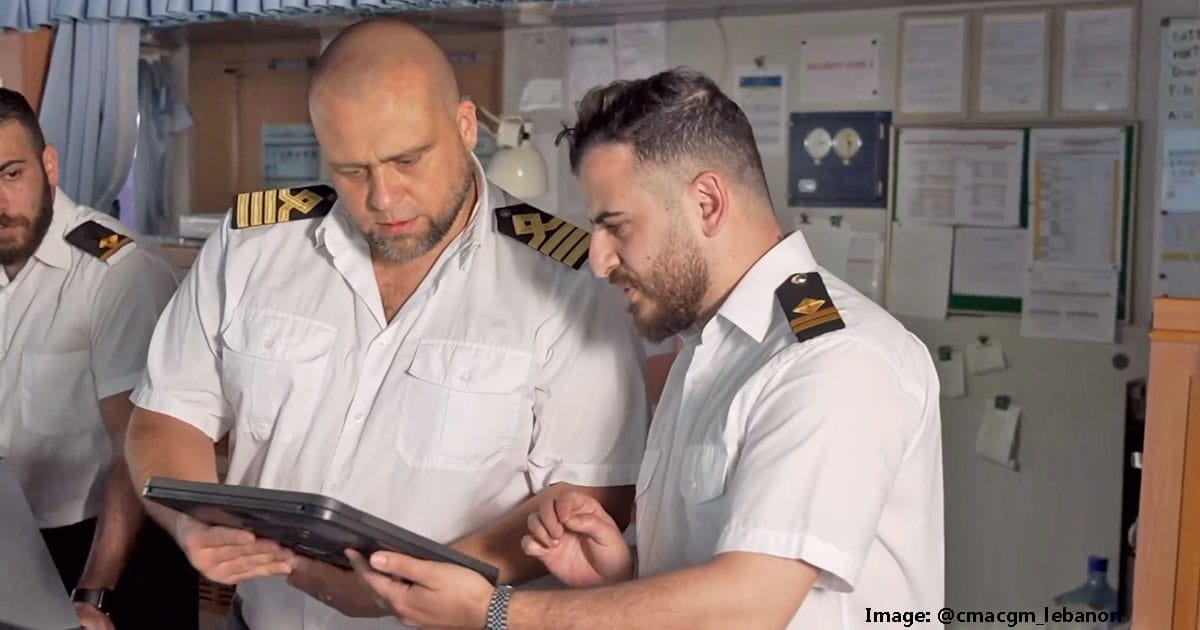
A navigational watch handover– also known as a watch changeover, is the formal transfer of responsibility from one Officer of the Watch (OOW) to another.
It marks a critical point in bridge operations where the incoming officer assumes control of navigation, situational awareness, and safety monitoring onboard.
This process is more than a routine- it ensures continuity of command, prevents miscommunication, and upholds compliance with the STCW Code (Section A-VIII/2) and Annex B of IMO Resolution A.285 (VIII) on bridge watchkeeping.
📜 IMO and STCW Requirements for Watch Changeovers
The International Maritime Organization (IMO) and flag state administrations emphasize that no watch should be taken over without a complete understanding of the ship’s situation.
The STCW Convention mandates that watchkeepers must be rested, alert, and fully informed before assuming their duties.
- The OOW must be physically and mentally fit (no fatigue, intoxication, or illness).
- The Watch Changeover Checklist must be completed and signed.
- A thorough briefing must be conducted between both officers.
✅ Pre-Handover Preparations for the Incoming OOW
Before reporting to the bridge, the relieving Officer of the Watch must:
- Fulfill rest hour requirements as per the STCW Convention.
- Be free from impairments such as fatigue, stress, or alcohol.
- Review the ship’s night orders, navigation warnings, and weather forecasts.
- Understand all relevant standing orders and operational restrictions from the Master.
Additionally, the relieving officer should mentally prepare by assessing the voyage plan, expected traffic, environmental conditions, and any critical navigation zones ahead.
🔎 Navigational Watch Handover Checklist (Part 1)
A proper handover starts with a structured checklist.
Below are key points the incoming OOW must verify before taking over the bridge:
🔸 1. Review Navigation-Related Documents
- Master’s Night Orders
- Bridge Logbook
- NAVTEX messages
- Weather forecasts and routing
- Charted route and voyage plan

🔸 2. Assess Environmental and Traffic Conditions
- Position, course, speed, and draft of the ship
- Traffic density and vessel movement nearby
- Weather and sea conditions (visibility, wind, current, tide)
- Identification of nearby buoys, shore lights, or hazards
🔸 3. Confirm Equipment Operational Status
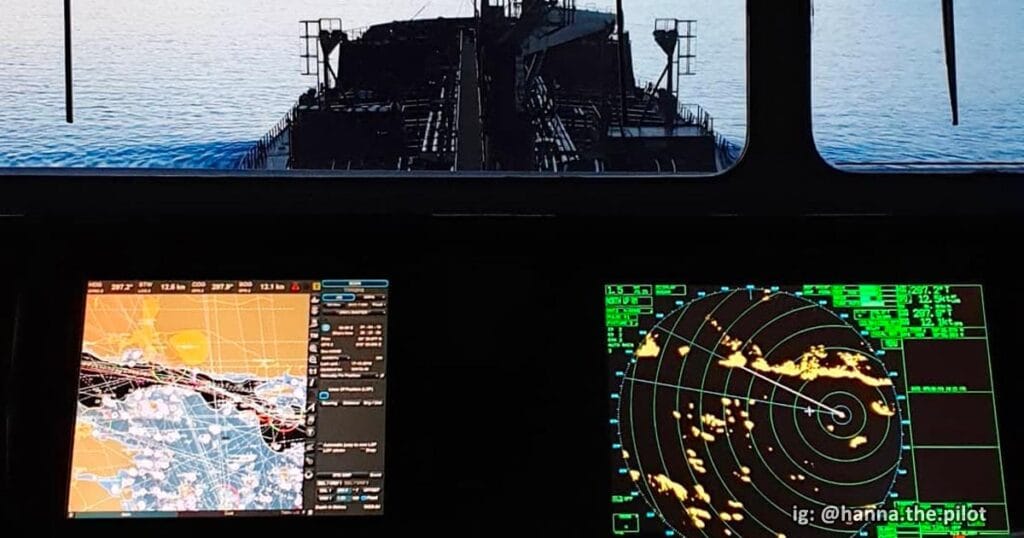
- Functionality of radars, AIS, echo sounder, and ECDIS
- Gyro and magnetic compass errors
- Steering gear and autopilot test status
- Navigation lights (especially for night watches)
- Communications systems (VHF, MF/HF, NAVTEX)
🔸 4. Verify ECDIS Settings and Safety Alarms
The incoming OOW must carefully check the ECDIS (Electronic Chart Display and Information System) to ensure it’s set up for safe navigation.
This includes:
- Correct chart scale and most recent ENC updates
- Active route loaded and under Route Monitoring mode
- Safety Depth, Contour, and XTD (Cross Track Distance) configured
- Anti-grounding alarms enabled and functional
- Gyro heading matches the ECDIS heading
- True Motion view and vector settings verified
- Slave gyro synchronised with the master gyro
- Echo sounder correctly overlaid and displaying water depth
✅ Pro tip: Cross-check the ship’s position using both radar and ECDIS to validate accuracy.
🔸 5. Check Communications and Watch Team Readiness
Before accepting the watch, confirm that all communication systems are operational:
- VHF, MF/HF radios, and GMDSS terminals
- Navtex receiver is tuned to correct station and frequency
- Ensure any distress alerts or navigation warnings are acknowledged
- Verify that bridge watchkeepers (e.g., helmsman, lookout) are present, fit, and capable of performing duties
🔸 6. Conduct Safety and Security Rounds (If Applicable)
Depending on the time and standing orders, the relieved OOW may need to:
- Check the Inert Gas System (IGS) pressure (especially on tankers)
- Inspect accommodation areas for safety/security risks during night rounds
- Verify the ship’s security level as per ISPS Code
- Confirm status of engine RPM and readiness of steering control in both auto and manual modes
⚠️ When Should You Delay the Watch Changeover?
A watch handover must never occur if it jeopardizes safety.
Delay the changeover if:
- The ship is under manoeuvring conditions (e.g., heavy traffic, restricted waters)
- The relieving officer is unfit (e.g., sick, impaired, or not well-rested)
- The current OOW doubts the incoming OOW’s awareness of the navigational situation
In such cases, the outgoing officer must retain control and immediately inform the Master.
📘 Final Steps to Officially Take Over the Watch
Once the relieving OOW has reviewed all relevant data and both officers are satisfied with the handover:
- Exchange verbal confirmation of the gyro and magnetic compass courses
- Incoming OOW formally accepts responsibility
- Outgoing OOW signs the Deck Logbook, noting the time of changeover
❓ FAQ Section
Q: What is the standard duration of a navigational watch?
A: Most vessels follow a 4-hours-on, 8-hours-off system, but some operate on 6-hour shifts, depending on the manning schedule.
Q: Can a cadet or trainee take over the navigational watch?
A: No. Only a certified Officer of the Watch (OOW) can assume full responsibility for the bridge watch.
Q: Is a written checklist required for watch handover?
A: Yes. Most ships implement a Watch Changeover Checklist as part of their Safety Management System (SMS), aligned with ISM and STCW requirements.
🧭 Conclusion: Safe Navigation Starts with a Proper Watch Handover
A well-executed navigational watch handover is essential to maintaining safety at sea.
By following STCW guidelines, company procedures, and a structured checklist, officers ensure continuity, reduce the risk of human error, and uphold the highest standards of watchkeeping.
⚓ Remember: The bridge is never left unattended, and responsibility is never assumed lightly.
May the winds be in your favor.
Leave a Reply